




Heat Pump Technology: Maximizing Efficiency & Home Comfort
Boost your home's efficiency with reliable heat pump technology. Enjoy consistent comfort and energy savings while enhancing your indoor air quality.
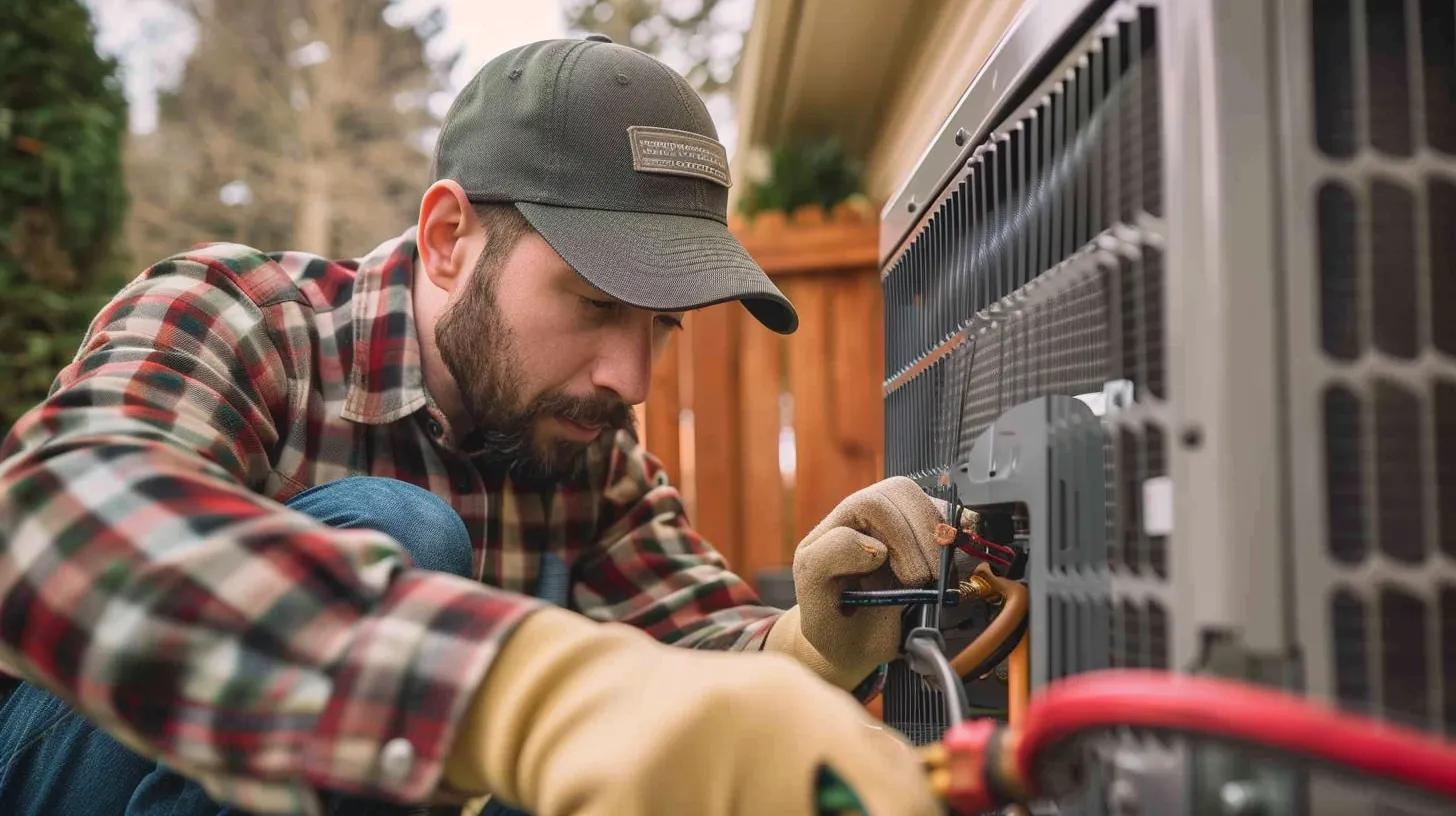
Heat Pump Technology: Maximize Efficiency & Home Comfort with Expert Installation & Care
Heat pumps are a smart, energy‑efficient way to heat and cool your home. Below we break down the benefits, what installation looks like, simple maintenance steps you can do, and the top brands to consider. If you're trying to lower energy bills and keep rooms comfortable year‑round, a heat pump is worth a close look. We also cover maintenance best practices and available local incentives for homeowners in Northeast Georgia.
Key Benefits of Energy‑Efficient Heat Pump Systems
Energy‑efficient heat pumps deliver clear advantages for both your wallet and the planet. Instead of creating heat, they move it — which is why they can cut energy use substantially.
- Energy Savings: Compared with traditional heating systems, heat pumps can lower energy use by roughly 30–50%, which typically means smaller monthly utility bills.
- Environmental Benefits: Because heat pumps use electricity to transfer heat rather than burning fuel on site, they help reduce greenhouse gas emissions—an eco‑friendlier choice for many homes.
- Improved Comfort: Heat pumps provide steady heating and cooling, which helps eliminate hot or cold spots and keeps living spaces comfortable year‑round.
If you live in Gainesville, GA, Epic Air Heating and Cooling LLC installs and maintains energy‑efficient heat pumps to help keep your home comfortable and costs down.
How Heat Pumps Deliver Year‑Round Home Comfort
Heat pumps both heat and cool, which makes them flexible across seasons. In cold months they pull warmth from outdoor air and bring it inside; in warm months they reverse that process to cool your home. That dual function maintains consistent temperatures and reduces swings between hot and cold rooms.
What Energy Savings Can Homeowners Expect with Heat Pump Technology?
Many homeowners see meaningful savings after switching to a heat pump. Studies show heat pumps can cut heating costs by about 30–50% versus older systems. Exact savings depend on local energy prices and how you use the system, but most households can expect to save several hundred dollars a year under typical conditions.
Heat Pump Installation in Northeast Georgia — What to Expect

Installing a heat pump in Northeast Georgia follows a few clear steps designed to make sure the system runs efficiently. Knowing the process helps you prepare and sets expectations for timing and cost.
- Initial Assessment: A technician inspects your home’s size, insulation, ductwork and overall heating and cooling needs to determine the right solution.
- System Selection: Based on the assessment, the installer recommends a model that matches your comfort goals and budget.
- Installation: Most installations take a few hours to a day, depending on system complexity and any required duct or electrical work.
Epic Air Heating and Cooling LLC offers professional installation so your heat pump works efficiently from day one.
What Factors Influence Heat Pump Installation Cost?
Several elements affect installation price:
- System Size: Larger systems cost more because they need more materials and labor.
- Installation Complexity: Homes that need major ductwork or electrical upgrades will see higher installation costs.
- Brand and Model: Different brands and models carry different price points, which often reflect efficiency and features.
Understanding these factors helps you plan and budget for a heat pump installation.
Why Local Climate Matters for Your Heat Pump Choice
Climate plays a big role in selecting the right heat pump. In Northeast Georgia, where temperatures swing between hot summers and cool winters, look for units with strong cold‑climate performance for efficient winter heating and high cooling performance for summer comfort. Choosing a model suited to local conditions improves efficiency and keeps your home comfortable.
Essential Heat Pump Maintenance Tips to Maximize Efficiency
Regular maintenance keeps your heat pump running efficiently and extends its lifespan. These practical steps help prevent problems and maintain performance:
- Regular Filter Changes: Replace filters every 1–3 months to preserve airflow and system efficiency.
- Annual Inspections: Schedule a yearly professional tune‑up to catch small issues before they become big repairs.
- Cleaning Ducts: Clean dirty ducts to improve air quality and system performance.
- Seal Duct Leaks: Fix leaks in ductwork to prevent wasted energy.
- Improve Insulation: Better insulation reduces energy use and helps the system maintain steady temperatures.
- Use a Programmable Thermostat: Set schedules that match your routine to optimize comfort and savings.
These routine steps reduce breakdowns and help your heat pump run at peak efficiency.
How Often Should Heat Pumps Be Serviced for Optimal Performance?
Plan for at least one professional service visit a year. Annual servicing spots wear or small issues early, keeping the system running smoothly. Also watch for unusual sounds or a drop in performance — those are signs to call a technician right away.
Common Heat Pump Issues and Quick Troubleshooting
Some common problems homeowners run into include:
- Thermostat Settings: Verify the thermostat is set correctly for heating or cooling.
- Air Filter Blockage: A dirty filter restricts airflow — check and replace filters as needed.
- Uneven Heating: Persistent hot or cold spots can point to duct restrictions or system setup issues.
- Refrigerant Levels: Low refrigerant reduces performance and needs a professional repair.
- Frequent Cycling: Short cycling may indicate a repair or adjustment is required.
Start troubleshooting by checking the thermostat and filter. If problems continue, contact a trained technician for a full inspection.
Recent studies underline the value of ongoing monitoring and post‑installation checks to confirm heat pumps meet real‑world efficiency expectations.
Residential Heat Pump Efficiency: Real‑World Performance & Installation
As heat pumps become more common in homes, tracking real‑world performance is essential. Design flaws, incorrect setup, and system faults can raise energy use and disappoint customers. In the largest field study to date, researchers analyzed sensor data from 1,023 heat pumps across Central Europe over two years. Using methods adapted from lab testing, they evaluated operational performance and classification. The study found that about 17% of air‑source and 2% of ground‑source heat pumps failed to meet existing efficiency standards; roughly 10% were oversized and about 1% undersized. The findings point to a clear need for standardized post‑installation performance checks and digital tools that give installers and homeowners actionable feedback to improve efficiency and guide future installs.
Estimation of energy efficiency of heat pumps in residential buildings using real operation data, T Brudermueller, 2025
How SEER and HSPF Ratings Compare Across Top Brands
SEER (Seasonal Energy Efficiency Ratio) and HSPF (Heating Seasonal Performance Factor) are the primary ratings for heat pump efficiency. Higher numbers mean better efficiency and lower operating costs. For example, a SEER of 20 is much more efficient than a SEER of 14. Compare SEER and HSPF when selecting a model to meet your efficiency goals.
Use these ratings as a starting point when comparing models to maximize your energy savings.
Brand Features That Improve Comfort and Reliability
Look for features and services that support long‑term comfort and reliability:
- 24/7 Emergency Service: Fast response for urgent heating or cooling failures.
- Satisfaction Guarantees: Installer commitments that protect your investment and peace of mind.
- Expert Technician Qualifications: Certified, experienced technicians who follow industry best practices.
- Positive Customer Feedback: Strong reviews and repeat customers signal consistent service quality.
- Regular Maintenance Options: Scheduled service plans help keep systems safe and efficient.
These attributes help ensure a dependable system and a comfortable home.
Heat Pumps vs Furnaces: Efficiency and Comfort
Heat pumps and furnaces both heat your home, but they work differently and offer different benefits.
- Advantages of Heat Pumps Over Traditional Furnaces: Heat pumps typically use less energy, provide both heating and cooling, cost less to operate, and produce fewer emissions.
- When Is a Furnace a Better Option Than a Heat Pump?: In extremely cold climates, furnaces can be more effective because some air‑source heat pumps lose efficiency below freezing. Furnaces can also be more economical for homes already set up with natural gas lines.
Knowing these differences helps you choose the best heating system for your home and climate.
Local Incentives and Rebates for Heat Pump Installation in Northeast Georgia
Homeowners in Northeast Georgia may qualify for federal, state, and local incentives that lower the upfront cost of a heat pump. These programs make upgrading to energy‑efficient systems more affordable. Financial incentives—especially rebates—often play a big role in a homeowner’s decision to switch to heat pump technology.
Homeowner Heat Pump Adoption: Costs, Rebates & Comfort
Heat pumps are increasingly adopted as a climate‑adaptation and efficiency measure. In regions like Maine, homeowners weigh energy costs, incentives, and changing weather when deciding. High energy prices and meaningful rebates can sway decisions, especially as seasonal temperatures shift. Understanding the financial and comfort impacts is key for adoption decisions.
Drivers of Heat Pump Installation in Maine: Climate Shocks, Politics, and Incentives, 2025
- Federal and State Energy Rebates: Rebates for energy‑efficient upgrades, including heat pumps, can substantially reduce upfront costs.
- Local Utility Incentives: Many utilities offer incentives for installing efficient systems, which can further cut your out‑of‑pocket expense.
How Can Homeowners Access Federal and State Energy Rebates?
To pursue rebates, follow these basic steps:
- Research Available Programs: Check federal and state energy program sites for current offerings and eligibility rules.
- Gather Necessary Documentation: Keep proof of purchase, installation records and any contractor certifications ready.
- Submit Applications: Complete and submit rebate forms according to the program guidelines.
Evidence shows rebate programs are effective at increasing residential heat pump adoption and delivering energy savings.
Heat Pump Incentives: Boosting Residential Adoption & Savings
Electrification supports deep decarbonization when paired with a cleaner grid. Electric heat pumps are a practical, efficient replacement for fossil‑fuel furnaces. Rebate and loan programs are widely used incentives for residential installations. A study in North Carolina found that modest rebates ($300–$450 per system) raised adoption density by 13% in a year and that rebates were more effective for average consumers than two loan programs tested (annual loan interest rates: 9% and 3.9%).
The effect of rebate and loan incentives on residential heat pump adoption: evidence from North Carolina, X Shen, 2022
What Are the Eligibility Requirements for Local Utility Incentives?
Requirements vary by program, but typical criteria include:
- Homeowner Status: You generally must be the homeowner (or have the homeowner’s permission) to apply.
- Energy Efficiency Standards: Installed equipment usually must meet specific efficiency ratings set by the program.
- Documentation: Proof of purchase, installation and program compliance is normally required.
Knowing these common requirements makes the application process smoother.
Frequently Asked Questions
What is the lifespan of a heat pump?
Most heat pumps last about 15 to 20 years, depending on usage, maintenance and installation quality. Regular tune‑ups, prompt repairs and proper installation can extend a unit’s life.
Can heat pumps work efficiently in very cold climates?
Yes. Cold‑climate heat pumps are built to perform at lower temperatures, often working down to around ‑5°F or lower. In very extreme cold, supplemental heat may still be needed. Talk with a professional to choose the right model for your area.
How do heat pumps compare to traditional HVAC systems?
Heat pumps are generally more energy‑efficient than separate furnaces and air conditioners because they move heat rather than generate it. That typically lowers energy bills and carbon emissions. In extremely cold locations, traditional systems may still have advantages, so weigh your local climate and needs when choosing.
What maintenance tasks can homeowners perform themselves?
You can handle several basic tasks: check and replace air filters, clear debris around the outdoor unit, confirm vents are open and check thermostat settings. For refrigerant checks, electrical work or complex diagnostics, call a qualified technician.
Are there any financing options available for heat pump installation?
Yes. Many homeowners can use financing solutions such as low‑interest loans, utility payment plans or incentives through government programs. These options spread costs over time and make upgrades more affordable. Ask your installer about local financing and rebate programs.
What should homeowners look for when choosing a heat pump contractor?
Choose a licensed, insured contractor with heat pump experience. Read reviews, ask for references, and make sure you get a clear estimate and warranty. A good contractor will explain the installation process and answer questions about performance and maintenance.
Conclusion
Upgrading to a heat pump can improve comfort, lower energy costs and reduce your home’s environmental footprint. Learn the installation steps, follow basic maintenance, and take advantage of available incentives to make the switch more affordable. Explore your options today and see how a modern heat pump can work for your home.


Financing
Our financing solutions are designed to meet your unique needs, offering flexibility and support for your financial goals.


Financing
Hearth Financing helps make your HVAC upgrades more affordable with personalized payment plans and flexible options.
Customer Testimonials
Our customers consistently praise our exceptional service and attention to detail, making us a trusted choice for all your HVAC needs.


We highly recommend this company. We have used other larger hvac companies in the past that have led to a lot of frustration. Epic Air has been fantastic on all levels especially attention to detail and customer service. We are very thankful for David and will use Epic Air for all of our heating and cooling needs. Great company highly recommend.

Epic Air has been thorough and fair with us on multiple projects, at two of our properties great communication and honest with us, never have been pushy at upselling us on what we didn’t need. From maintenance, service to full replacement, If your in the lake Lanier area or north Georgia I highly recommend.
5 stars! I really enjoyed my experience. They were on time, communicated the issues very well, and made me feel at ease. They even sent me a follow up email with before and after photos. Amazing service - will recommend to everyone!
EPIC Air Heating and Cooling provided us with prompt and exceptional service replacing our A/C unit.The two repairmen went above and beyond to service our needs. They were prompt, honest, extremely knowledgeable, and they completed everything in a timely manner.I highly recommend this business!
Epic Air Heating and Cooling is the way to go! They were very responsive and quickly dispatched someone to my home. Zach was amazing. He was in and out! Within minutes he discovered problem and resolved it. I am grateful for the service provided. Thank you again!
Thank you to David! My air conditioning unit has not worked for almost 2 months and David from Epic Air was here less than an hour and had my system running. I appreciate the support and service and would use you all in the future. Thank you again.

