



Essential Furnace Repair Indicators You Can't Ignore
Stay warm and safe this winter. Learn the key indicators of furnace problems and essential HVAC maintenance tips to ensure your system runs smoothly.
How to Know When Your Furnace Needs Repair: Clear Signs, Simple Troubleshooting, and Expert Advice from Epic Air Heating and Cooling LLC
A failing furnace usually gives clear clues: changes in performance, strange sounds, higher energy bills, or safety signals that affect comfort and household safety. Spotting those clues early can save money and prevent risks. This guide shows homeowners how to recognize common furnace problems, run safe basic checks, spot carbon monoxide (CO) warning signs, and decide between repair or replacement with practical criteria. You’ll get hands-on checks for noises, heat output, pilot light behavior, and airflow problems — plus clear guidance on when to stop DIY work and call a pro. We also cover frequent component failures (filters, thermostat, ignitor, blower motor, heat exchanger) in easy-to-scan tables, explain how routine maintenance extends equipment life, and outline our EPIC TUNE-UP, EPIC PROTECT, and EPIC PROTECT+ plans. The advice is aimed at homeowners in Gainesville, Athens, and Northeast Georgia and includes common HVAC maintenance and safety keywords so you can take action with confidence.
What Are the Early Warning Signs Your Furnace Needs Repair?
Early warning signs are the changes you can see, hear, or smell that show a furnace component is wearing out, airflow is restricted, or combustion isn’t right. Noticing symptoms like odd noises, weak or uneven heat, a pilot flame that changes color, strange smells, or rising energy bills lets you fix small problems before they become emergencies. Knowing what each sign usually means helps you prioritize: short cycling often points to restricted airflow or a tripped limit switch, while loud bangs at startup usually mean delayed ignition or a loose part. Use the short checklist below to compare what you’re experiencing and decide whether to try a quick check or call a technician.
Common early warning signs to watch for:
- Strange noises: Repeated banging, rattling, or squealing from the furnace or ducts usually means a mechanical or ignition issue.
- Insufficient or uneven heat: Rooms that stay cold despite normal settings can indicate airflow or combustion problems.
- Yellow or flickering pilot light: A flame that isn’t a steady blue can signal incomplete combustion and a CO concern.
- Unusual smells: A one-time burning dust smell after startup is normal; persistent chemical or rotten-egg odors need immediate attention.
- Higher energy bills or frequent cycling: Sudden spikes in bills or short cycling reduce efficiency and point to underlying faults.
Use these signs as a quick, practical checklist against your system’s behavior. If you see several signs at once — especially safety ones like a change in flame color or gas odors — stop DIY troubleshooting and follow the emergency steps below. For anyone who wants a professional diagnostic, Epic Air Heating and Cooling LLC provides targeted furnace checks, repairs, and emergency response to find and fix the root cause.
What Strange Noises Indicate Furnace Problems?
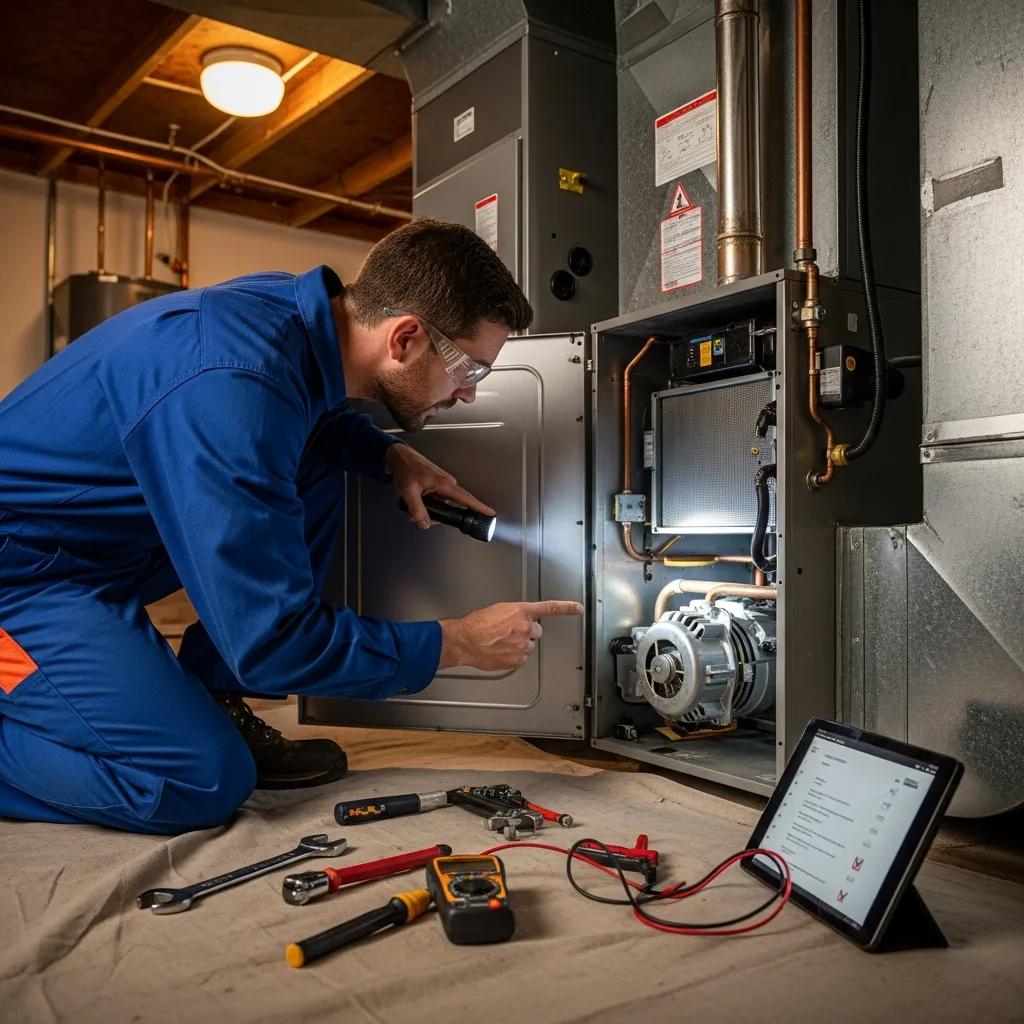
Different sounds usually point to specific problems, so listening closely helps narrow down likely causes before a technician opens any panels. Banging or booming at startup often means delayed ignition, which lets gas build up before it lights. Rattling usually comes from loose panels or ductwork; squealing or screeching points to a worn blower bearing or belt on older units; grinding often signals a failing motor bearing and needs quick attention. Easy homeowner checks include tightening visible panel screws, looking for frayed belts, and noting whether the noise happens at startup or continuously — those details tell you how urgent the repair is.
How Can You Tell If Your Furnace Is Not Producing Enough Heat?
Low heat is commonly caused by restricted airflow, ignition issues, or thermostat/control problems — not just a bad thermostat setting. Start simple: confirm the thermostat is set to heat and at the right temperature, replace a dirty air filter, and make sure supply registers aren’t closed or blocked. Those basic fixes solve many complaints. If the furnace runs but rooms stay cold, ignition parts (pilot, ignitor, flame sensor) or fuel delivery on gas units could be failing and will need professional testing. Persistent uneven heating or total loss of heat, particularly in very cold weather, raises urgency — follow the emergency guidance below to decide when to call for service.
What Are the Common Furnace Problems and Their Causes?
Most furnace problems come from specific component failures or lack of maintenance. Parts like filters, thermostats, ignitors, and heat exchangers have predictable failure modes — clogged filters reduce airflow, miscalibrated thermostats give wrong signals, failed ignitors stop combustion, and cracked heat exchangers create serious safety risks. Understanding which part usually causes which symptom makes your troubleshooting faster and more accurate: for example, a dirty filter often causes short cycling and weak airflow, while a cracked heat exchanger shows soot, odors, and possible CO symptoms.
Common component failures and homeowner-observable symptoms:
This table pairs parts with their usual failure modes and the symptoms you’ll notice, making it easier to narrow down likely causes before you call for help. Regular inspections and preventive maintenance — like changing filters and checking electrical connections — prevent many of these issues. Pay special attention to symptoms tied to safety concerns, particularly anything that suggests heat exchanger trouble.
How Do Clogged Air Filters Affect Furnace Performance?
A clogged filter chokes airflow, raises duct static pressure, and forces the furnace to work harder. That leads to short cycling, uneven heat, and extra wear on the blower motor — all of which lower efficiency and shorten equipment life. Check filters monthly during heavy use and replace them based on the filter’s rating and your home conditions — homes with pets or dust will need more frequent changes. If replacing the filter doesn’t fix airflow, the problem could be duct blockage, a failing blower motor, or blocked return vents, and you should call a pro.
What Thermostat Issues Cause Furnace Malfunctions?
Thermostat problems include dead batteries, wrong mode settings, calibration errors, or wiring faults that make the furnace run incorrectly. A thermostat set to the wrong mode can call for heat when cooling is intended, or it may fail to signal the furnace at all. Basic checks: swap the batteries, confirm mode and fan settings, and compare the thermostat reading with a handheld thermometer. If issues persist — especially with smart thermostats tied to your home network — have a technician check wiring and control-board communication.
What Does a Yellow or Flickering Pilot Light Mean?
A steady blue pilot flame shows healthy combustion. A yellow, orange, or flickering flame signals incomplete combustion and higher CO risk. Causes include blocked combustion air, dirty burners, incorrect gas pressure, or a damaged burner assembly — each reduces combustion efficiency and can increase CO output. If you see a non-blue flame, evacuate people from the area, open windows and doors if it’s safe, and don’t run the furnace until a qualified technician inspects it. Professionals use calibrated CO meters and combustion analyzers to confirm risk and recommend repair or shutdown.
When Should You Call a Professional for Furnace Repair or Emergency Service?
Call a professional when safety or the limits of DIY troubleshooting are reached: suspected gas leaks, CO symptoms or alarm activations, major mechanical failures, or total loss of heat during extreme cold all require immediate help. Non-emergency but still professional-worthy problems include repeated short cycling, ongoing ignition failures, or big efficiency losses despite basic maintenance. Pros bring the right tools — combustion analyzers, ammeters, pressure gauges — plus local code knowledge to make repairs safe and compliant. Epic Air Heating and Cooling LLC offers 24/7 emergency furnace repair and scheduled diagnostics to get you back to safe, efficient operation quickly.
When to call professional service—checklist:
- Suspected gas leak or strong gas odor: Evacuate, don’t flip switches, and call emergency responders and a licensed HVAC technician.
- Carbon monoxide symptoms in occupants or alarm activation: Evacuate and contact emergency services and a professional for combustion testing.
- Complete loss of heat in extreme cold: Call emergency HVAC service to avoid freeze damage and safety risks.
- Persistent ignition, flame, or major mechanical failures: Schedule a professional diagnosis to prevent bigger damage and protect warranties.
Professional diagnosis isolates the fault accurately, verifies safety, and provides documentation for insurance or warranty needs. Epic Air’s technicians follow methodical diagnostic steps to test components, confirm combustion safety, and recommend repair or replacement while prioritizing your household’s safety and long-term efficiency.
What Emergency Situations Require Immediate Furnace Repair?
Immediate emergencies include a confirmed gas leak, a carbon monoxide alarm or exposure symptoms, furnace backdrafting, and total heat loss during dangerously low temperatures. These situations threaten health, safety, or property. In any of them, evacuate occupants, call emergency services if people are sick, and avoid actions that could spark electricity. Only shut off gas or power if you can do so safely and know where the shutoffs are — otherwise wait for professionals. Fast, experienced intervention lowers health risk, secures your home, and prevents secondary damage like burst pipes from freezing.
What Are the Benefits of Professional Furnace Diagnosis and Repair?
Professional diagnosis provides tests and inspections you can’t do at home: combustion-efficiency analysis, heat exchanger integrity checks, and electrical-load measurements. Technicians fix problems to restore safe operation, improve efficiency to lower bills, and perform repairs that extend system life — often preventing repeat calls for the same issue. Official service records support warranty claims and resale disclosures, and certified repairs meet local code requirements to reduce liability. Professional care gives you reliable recommendations for whether to repair or replace and helps protect your long-term investment.
How Can Regular Furnace Maintenance Prevent Repairs and Extend Lifespan?
Regular maintenance keeps combustion, airflow, and electrical systems within design limits, cutting emergency callouts, improving efficiency, and extending equipment life. Routine tasks — filter changes, burner cleaning, lubrication where needed, checking ignition and flame sensors, and calibrating the thermostat — catch wear early and keep parts working properly. A maintenance plan gives predictable scheduling, priority service during busy seasons, and discounts on parts and labor that make preventative care cost-effective. The table below summarizes our plan tiers and homeowner benefits so you can pick the right level for your needs.
Maintenance plan comparison and benefits:
This comparison shows how plan features translate to real homeowner value: regular preventive actions reduce emergency repairs and improve HVAC outcomes. For many homes in Northeast Georgia, scheduling annual service before the heating season helps ensure reliable performance when you need it most.
What Are the Benefits of Epic Air’s Furnace Maintenance Plans?
Our maintenance tiers focus on prevention to reduce breakdowns and keep systems running efficiently. Members get benefits like priority scheduling and parts discounts, plus annual inspections that include combustion safety tests, airflow checks, and component condition reviews. EPIC TUNE-UP, EPIC PROTECT, and EPIC PROTECT+ offer increasing levels of coverage so you can choose the reliability and cost predictability that fit your priorities. A plan simplifies upkeep, often lowers total ownership cost, and gives you service records useful for warranties and resale.
How Often Should You Schedule Furnace Maintenance in Gainesville and Athens, GA?
For Northeast Georgia, an annual furnace tune-up before the heating season is the baseline recommendation to ensure safe combustion and reliable startup. Homes with heavy winter use or older systems may benefit from semiannual checks. Seasonal inspections should cover filter replacement, burner and heat exchanger inspection, combustion analysis, and thermostat calibration to match local temperature swings. Look for signs that mean more frequent service is needed: persistent dust, frequent cycling, or past ignition failures. Maintenance plans typically handle reminders and scheduling so service stays on track with local seasons.
- Priority scheduling and preventative care: ensures technicians inspect combustion components and airflow before heavy use.
- Improved efficiency and lifespan: reduces fuel usage and delays major component failures.
- Potential energy bill savings: small efficiency gains add up over heating seasons and lower operating costs.
These benefits show why preventive maintenance is the most cost-effective way to reduce emergency repair bills and get the most life from your heating system.
Knowing why ignition fails helps you and your technician fix furnace issues faster.
Furnace Troubleshooting: Pilot Burner Ignition Failure
Many ignition failures come from changes inside the furnace or misalignment of burner and igniter components. One common cause is improper pilot burner positioning relative to the igniter.
Troubleshooting, 2001
Frequently Asked Questions
What should I do if I suspect a gas leak from my furnace?
If you suspect a gas leak, prioritize safety. Evacuate all occupants from the area immediately and avoid using any electrical switches or devices that could create a spark. Once everyone is safe, call emergency services and a licensed HVAC technician to inspect the situation. Do not attempt to locate the leak yourself, as this can be extremely dangerous. It’s crucial to have professionals handle gas-related issues to ensure safety and compliance with local regulations.
How can I tell if my furnace is short cycling?
Short cycling occurs when your furnace turns on and off frequently without completing a full heating cycle. Signs include the furnace running for only a few minutes before shutting off, and noticeable temperature fluctuations in your home. This can be caused by issues like a clogged air filter, thermostat problems, or improper sizing of the furnace. If you notice this behavior, it’s advisable to check the air filter first and then consult a professional if the problem persists.
What are the signs that my furnace needs to be replaced rather than repaired?
Signs that your furnace may need replacement include frequent breakdowns, rising energy bills, and age—typically over 15 years. If repair costs exceed 50% of the price of a new unit, replacement is often more economical. Additionally, if your furnace is producing inconsistent heat or has safety concerns like a cracked heat exchanger, it’s time to consider a new system. A professional can help assess the situation and provide recommendations based on your specific needs.
How does regular maintenance affect my furnace's lifespan?
Regular maintenance significantly extends the lifespan of your furnace by ensuring all components operate efficiently and safely. Routine tasks like filter changes, cleaning burners, and checking ignition systems help prevent wear and tear. By catching potential issues early, maintenance reduces the likelihood of major breakdowns and costly repairs. A well-maintained furnace can last 15 years or more, while neglect can lead to premature failure and the need for replacement.
What should I do if my furnace is blowing cold air?
If your furnace is blowing cold air, first check the thermostat settings to ensure it’s set to heat. Next, inspect the air filter; a clogged filter can restrict airflow and cause heating issues. If the thermostat and filter are fine, the problem may lie with the ignition system or a malfunctioning blower motor. In such cases, it’s best to contact a professional technician to diagnose and resolve the issue safely and effectively.
Are there any DIY checks I can perform before calling a technician?
Yes, there are several DIY checks you can perform. Start by ensuring the thermostat is set correctly and that the air filter is clean. Check for any blocked vents or registers, and listen for unusual noises from the furnace. Additionally, inspect the pilot light or ignition system if applicable. If these checks do not resolve the issue, or if you encounter safety concerns, it’s best to call a professional for further assistance.
What are the benefits of having a maintenance plan for my furnace?
A maintenance plan offers numerous benefits, including regular inspections that catch issues before they escalate, priority scheduling during peak seasons, and discounts on repairs and parts. These plans help ensure your furnace operates efficiently, reducing energy costs and extending its lifespan. Additionally, having documented maintenance can be beneficial for warranty claims and resale value. Overall, a maintenance plan provides peace of mind and helps prevent unexpected breakdowns.
How can I improve my furnace's energy efficiency?
Keep filters clean, seal obvious leaks in ductwork, and make sure windows and doors are weather-tight. A properly sized and calibrated thermostat helps, too. Schedule annual professional maintenance so burners and controls run efficiently and small issues don’t become big energy drains.
What are the risks of ignoring furnace maintenance?
Skipping maintenance leads to lower efficiency, higher energy bills, and greater risk of breakdowns. More importantly, neglected combustion systems can develop safety issues like carbon monoxide leaks. Routine service catches problems early, keeps your system safe, and helps avoid costly emergency repairs.
How can I tell if my furnace is too old to repair?
Consider age, repair history, and efficiency. Furnaces older than 15 years tend to have more frequent issues. If a single repair costs more than about 50% of a new comparable unit, replacement is often the better choice. Recurring problems or safety concerns also point toward replacement.
Conclusion
Knowing the warning signs of furnace trouble keeps your home safe and comfortable. With a few simple checks and the right timing for professional help, you can avoid costly emergencies and keep your system running efficiently. Epic Air Heating and Cooling LLC is here to help with expert diagnostics, repairs, and maintenance plans tailored to Gainesville, Athens, and Northeast Georgia homes. Contact us to schedule an inspection and keep your home warm and safe all season long.


Financing
Our financing solutions are designed to meet your unique needs, offering flexibility and support for your financial goals.

Financing
Hearth Financing helps make your HVAC upgrades more affordable with personalized payment plans and flexible options.
Customer Testimonials
Our customers consistently praise our exceptional service and attention to detail, making us a trusted choice for all your HVAC needs.


We highly recommend this company. We have used other larger hvac companies in the past that have led to a lot of frustration. Epic Air has been fantastic on all levels especially attention to detail and customer service. We are very thankful for David and will use Epic Air for all of our heating and cooling needs. Great company highly recommend.

Epic Air has been thorough and fair with us on multiple projects, at two of our properties great communication and honest with us, never have been pushy at upselling us on what we didn’t need. From maintenance, service to full replacement, If your in the lake Lanier area or north Georgia I highly recommend.
5 stars! I really enjoyed my experience. They were on time, communicated the issues very well, and made me feel at ease. They even sent me a follow up email with before and after photos. Amazing service - will recommend to everyone!
EPIC Air Heating and Cooling provided us with prompt and exceptional service replacing our A/C unit.The two repairmen went above and beyond to service our needs. They were prompt, honest, extremely knowledgeable, and they completed everything in a timely manner.I highly recommend this business!
Epic Air Heating and Cooling is the way to go! They were very responsive and quickly dispatched someone to my home. Zach was amazing. He was in and out! Within minutes he discovered problem and resolved it. I am grateful for the service provided. Thank you again!
Thank you to David! My air conditioning unit has not worked for almost 2 months and David from Epic Air was here less than an hour and had my system running. I appreciate the support and service and would use you all in the future. Thank you again.

